Green Belt Appropriateness and LVIA Assessment — Appeal Ref: APP/B1930/W/23/3325998
The appeal concerning land adjacent to 55 Bucknalls Drive in Bricket Wood, Hertfordshire, was dismissed on 23 September 2024. This decision highlights the critical role of landscape and visual impact assessments (LVIA) in evaluating development proposals within protected areas like the Green Belt.
The proposal involved the construction of 12 bungalows (eight detached and four semi-detached) along with a new access road, parking, refuse provisions, and landscaping. The key issues were its appropriateness within the Green Belt and its impact on local environmental features, including Bricket Wood Common, a Site of Special Scientific Interest (SSSI), and a nearby Local Wildlife Site (LWS). In terms of LVIA, the Inspector concluded that the development’s scale and location would disrupt the landscape’s visual continuity and rural openness, crucial elements that the Green Belt seeks to protect. The site’s position adjacent to significant wildlife and recreational areas further highlighted the development’s potential ecological impact.
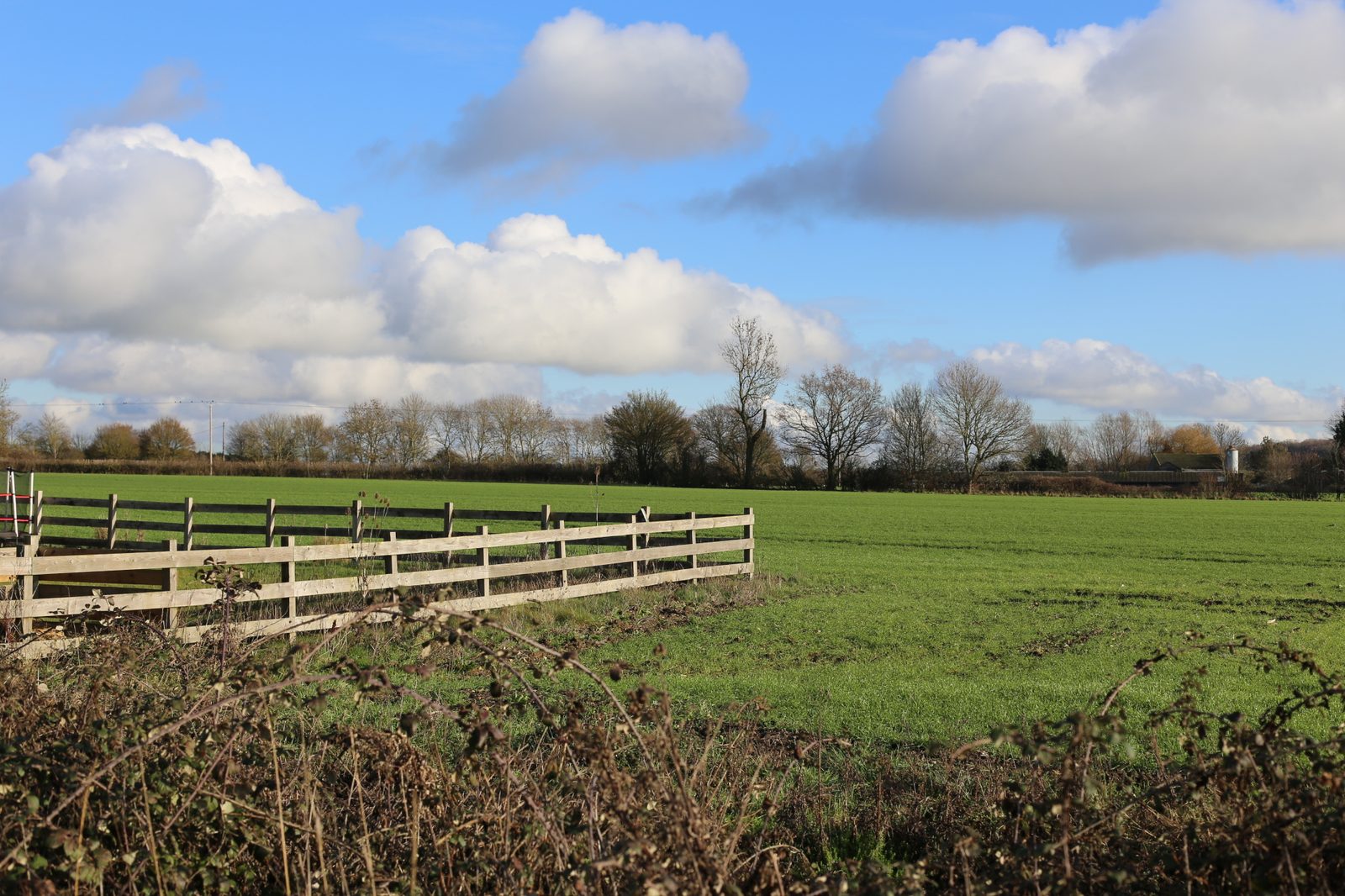
In the decision, the Inspector noted that the area’s character comprised a linear development of dwellings along Bucknalls Drive, contrasting with the open, undeveloped appeal site. This proposed development, rather than serving as infill, extended beyond the existing built form into an area strongly connected to surrounding woodlands, diminishing its integration potential. The assessment relied on LVIAs to emphasise the value of the surrounding landscape and the need for strict adherence to Green Belt principles. Further, the Inspector referenced the National Planning Policy Framework (NPPF), which places a high threshold for development approval in Green Belts, reinforcing that only exceptional cases justify such intrusions.
The Inspector also scrutinised amendments made by the appellants, which included hedgerows as buffers to mitigate environmental disruption. However, these were deemed insufficient to offset the proposal’s fundamental conflict with Green Belt objectives. The LVIA conducted revealed that, although the hedges could soften immediate visual impacts, they would not maintain the site’s open, undeveloped nature essential for long-term preservation of the Green Belt’s purpose. This decision underscores the importance of a robust LVIA assessment to validate the feasibility of developments within ecologically sensitive landscapes.
The appeal decision highlights that, despite minimal physical changes, visual and environmental impacts within the Green Belt often override developmental benefits. The case demonstrates the role of LVIA in providing a quantitative basis for visual impact assessments that align with Green Belt policy, proving critical in guiding planning outcomes.
Need help on a specific project?
If you are working on a development that requires landscape and visual evidence, we can help. Tell us about your site and we will respond with a fixed fee and programme within one working day.