A TVIA, or Townscape and Visual Impact Assessment, is a specialised form of assessment that evaluates the potential effects of a proposed development on the townscape and visual amenity. The term townscape refers to the character and visual qualities of an urban area, encompassing its buildings, streets, open spaces, and how these elements come together to shape the experience of those who live, work, or visit the area.
While TVIAs are similar in some ways to Landscape and Visual Impact Assessments (LVIA), they are specifically tailored to assess impacts in urban settings, where the built environment takes precedence over natural or rural landscapes. This makes them an essential tool for developments in towns and cities, especially those that might significantly alter the existing character or views of the area.
Understanding townscape
Townscape, like the rural landscape, reflects the relationship between people and place and the part it plays in forming the setting to our everyday lives. It results from the way that the different components of our environment — both natural and cultural — interact and are understood and experienced by people (Natural England, 2014).
- The scale, height, and massing of buildings.
- The spatial relationships between built structures and open spaces.
- The historical and cultural significance of the area.
- Connectivity and movement within the urban environment.
In essence, the townscape encapsulates both the physical features of an urban area and the way these features are perceived and experienced by people.
What does a TVIA involve?
A TVIA typically comprises two interrelated components.
1. Townscape Impact Assessment
This part of the assessment focuses on how a proposed development might alter the physical and experiential qualities of the urban environment. It evaluates changes to:
- Specific townscape character areas.
- Key urban features, such as historic landmarks, open spaces, or distinctive architectural styles.
- Spatial relationships and the overall sense of place.
2. Visual Impact Assessment
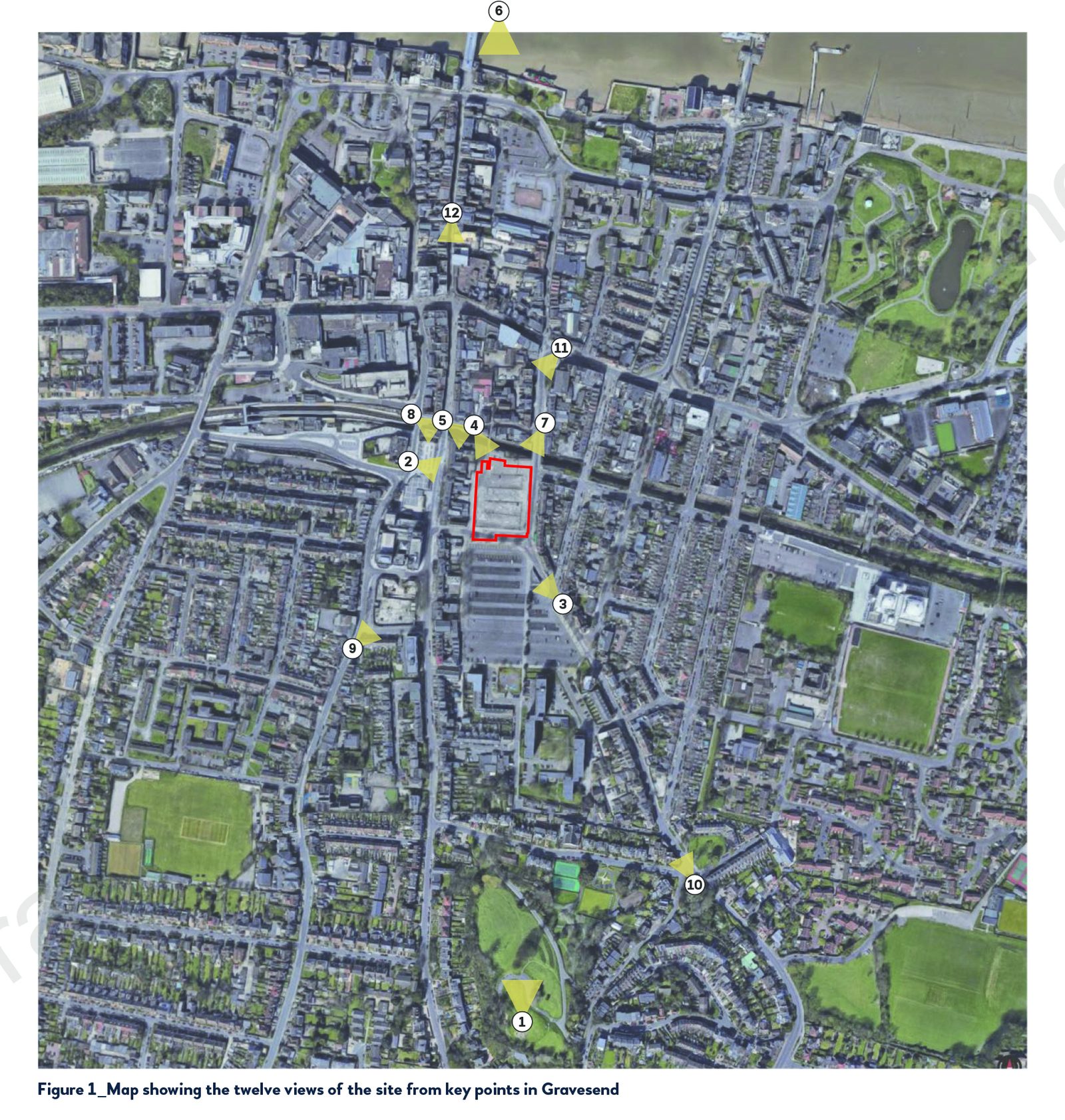
The visual component examines how the development will appear from key viewpoints within and around the area. It considers:
- The sensitivity of visual receptors, such as residents, pedestrians, and motorists.
- The magnitude of change to views, including iconic vistas or key public spaces.
- The overall impact on the visual experience for those interacting with the townscape.
Key features of a TVIA
Unlike an LVIA, which primarily focuses on rural or natural landscapes, a TVIA is designed for urban contexts and includes specific considerations such as:
- Urban context and character: How the development fits within the architectural and spatial characteristics of its urban surroundings.
- Heritage and conservation: Whether the proposal affects conservation areas, listed buildings, or other culturally significant sites.
- Public realm: How the development impacts the streetscape, public spaces, and overall accessibility within the townscape.
- Scale and massing: The size, shape, and positioning of the proposed development, particularly in relation to existing structures and spaces.
- Views and vistas: Impacts on important views, such as those leading to landmarks or panoramic urban vistas.
When is a TVIA required?
A TVIA is often required for urban developments that have the potential to significantly change the character or appearance of an area. Typical examples include:
- High-rise or tall building proposals, especially in areas with a predominantly low-rise character.
- Large-scale urban regeneration schemes that alter existing patterns of development.
- Developments near sensitive urban areas, such as historic city centres, conservation zones, or buildings of cultural significance.
- Projects that could affect key public views, such as those of landmarks, riverscapes, or iconic urban skylines.
How does TVIA differ from an LVIA?
While TVIA and LVIA share similar methodologies, the focus of each differs significantly. An LVIA assesses the impacts of a development on natural landscapes, rural character, and visual amenity, often in relation to the natural environment. A TVIA, by contrast, focuses on urban areas, examining how the built environment and townscape character are affected. This makes a TVIA more applicable for developments within towns and cities, where considerations like architectural style, urban design, and public realm integration are paramount.
Need help on a specific project?
If you are working on a development that requires landscape and visual evidence, we can help. Tell us about your site and we will respond with a fixed fee and programme within one working day.