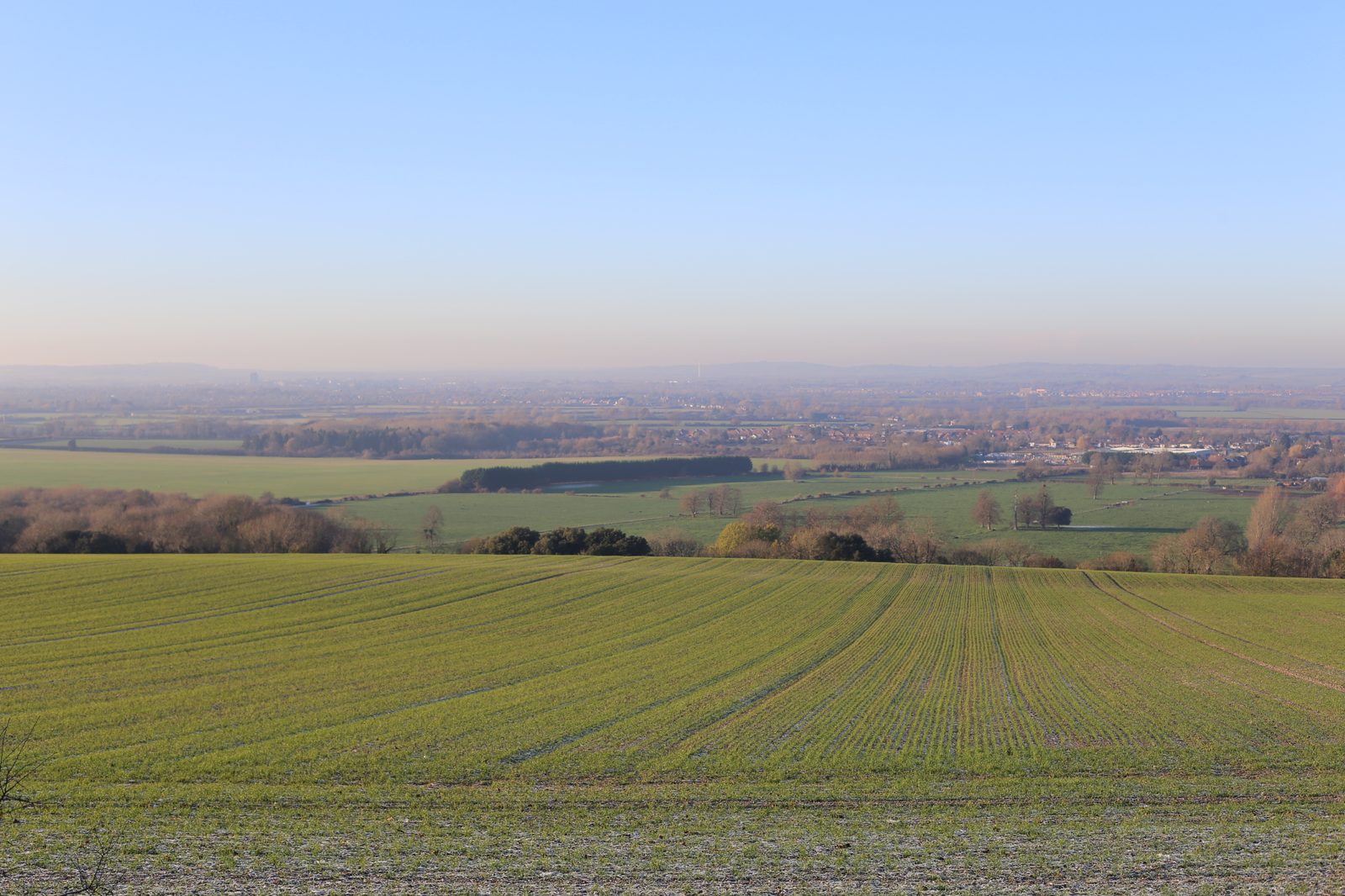
As planning and development become increasingly sensitive to environmental, landscape and visual impacts, Landscape and Visual Impact Assessments (LVIAs) have emerged as a crucial tool in evaluating proposed changes. By assessing temporary or permanent, direct or indirect and positive or negative effects, an LVIA ensures development respects and ideally enhances the existing landscape and visual character — making them an indispensable tool in good design.
"Good design is a key aspect of sustainable development, creates better places in which to live and work and helps make development acceptable to communities." — NPPF 2024
What is an LVIA?
An LVIA is a structured approach used to determine how a proposed development will impact both the physical landscape and the visual experience for those who view or engage with that landscape. These assessments aim to balance development needs with environmental and visual stewardship, helping planners make informed decisions that consider long-term landscape integrity.
The LVIA process breaks down into two primary components:
- Landscape Impact Assessment (LIA): focuses on direct changes to the landscape, such as alterations in land use, vegetation, topography, and physical features.
- Visual Impact Assessment (VIA): assesses how a development might alter or disrupt views, and how it impacts the visual quality of the landscape as seen by residents, visitors, and the public at large.
Why conduct an LVIA?
LVIAs are vital for developments in areas with high landscape value or visibility, such as Green Belts, rural settings, and designated National Landscapes. An LVIA provides a comprehensive framework to address:
- Landscape character preservation and enhancement
- Protection of the visual characteristics of publicly accessible viewpoints
- Alignment with national and local planning policies
The results of an LVIA not only guide developers and designers in developing proposals that mitigate landscape and visual impact but also inform Local Planning Authorities in their decision-making, helping them to uphold planning standards that protect landscape quality.
The LVIA process: step-by-step
1. Establishing a baseline
Baseline assessment involves studying the current landscape and visual conditions of the site and its setting, including character, designations, key features and policies applicable.
2. Selecting viewpoints and receptors
A core aspect of LVIA involves identifying sensitive viewpoints and receptors — points from which the development will be most visible, such as public footpaths, residential areas, and historic sites. In an appeal concerning land near the Ironbridge Gorge World Heritage Site, the Inspector noted that views from a public right of way would be affected by the proposal, impacting the area's visual amenity and experience. By strategically selecting viewpoints, LVIAs can provide planners with a thorough analysis of how developments will be perceived.
3. Assessing impacts
Impact assessment considers the scale and nature of change and its visual and landscape effects. This includes both short- and long-term impacts, which are critical in areas of high sensitivity.
4. Mitigation strategies
An effective LVIA doesn't end at assessment — it includes mitigation. An LVIA will suggest mitigation measures, such as planting native species, retaining hedgerows, or adjusting site layout, to reduce adverse visual impacts. In some cases, LVIAs suggest significant setbacks and enhanced buffer zones to protect landscape quality.
5. Reporting and recommendations
An LVIA culminates in a report (with an Appendix containing mapping, photography and the methodology) summarising the predicted impacts and recommended mitigations, which are then presented to decision-makers.
Key considerations
Sensitivity to local character
A well-executed LVIA respects the distinct identity of each landscape, whether it be rural, suburban, or urban. For instance, an LVIA must consider how developments might bridge or merge settlements, affecting the character of each.
Seasonal variability in visual screening
LVIAs must account for seasonal changes in screening, as vegetation can fluctuate greatly between seasons. Some appeal cases highlight the importance of presenting "worst-case scenario" winter views in visualisations to give a more accurate portrayal of year-round visibility. In Middle Barton, the absence of winter views in the LVIA raised concerns that were ultimately factored into the Inspector's decision.
Long-term landscape maintenance
Mitigation should extend beyond initial planting. To remain effective, buffers and screening landscapes must be maintained. Sustainable maintenance practices ensure that mitigation efforts are preserved over time, supporting the LVIA's aim to reduce adverse impacts. In many successful appeals, Inspectors require a management plan to maintain proposed landscape features.
The importance of LVIA in policy compliance
LVIAs align development proposals with policies that promote sustainable growth, safeguarding valued landscapes against excessive urbanisation. For instance, Green Belt policies often conflict with new developments due to the emphasis on preserving openness and preventing sprawl. An LVIA helps in balancing development needs with policy goals by quantifying the impacts and suggesting compromises where possible.
Landscape and Visual Impact Assessments remain essential in sensitive and sustainable development planning. The role of LVIAs extends beyond preventing landscape and visual harm; they also enhance public understanding of proposed changes, help to mitigate the proposal's impact and promote transparency in the planning process.
Need help on a specific project?
If you are working on a development that requires landscape and visual evidence, we can help. Tell us about your site and we will respond with a fixed fee and programme within one working day.