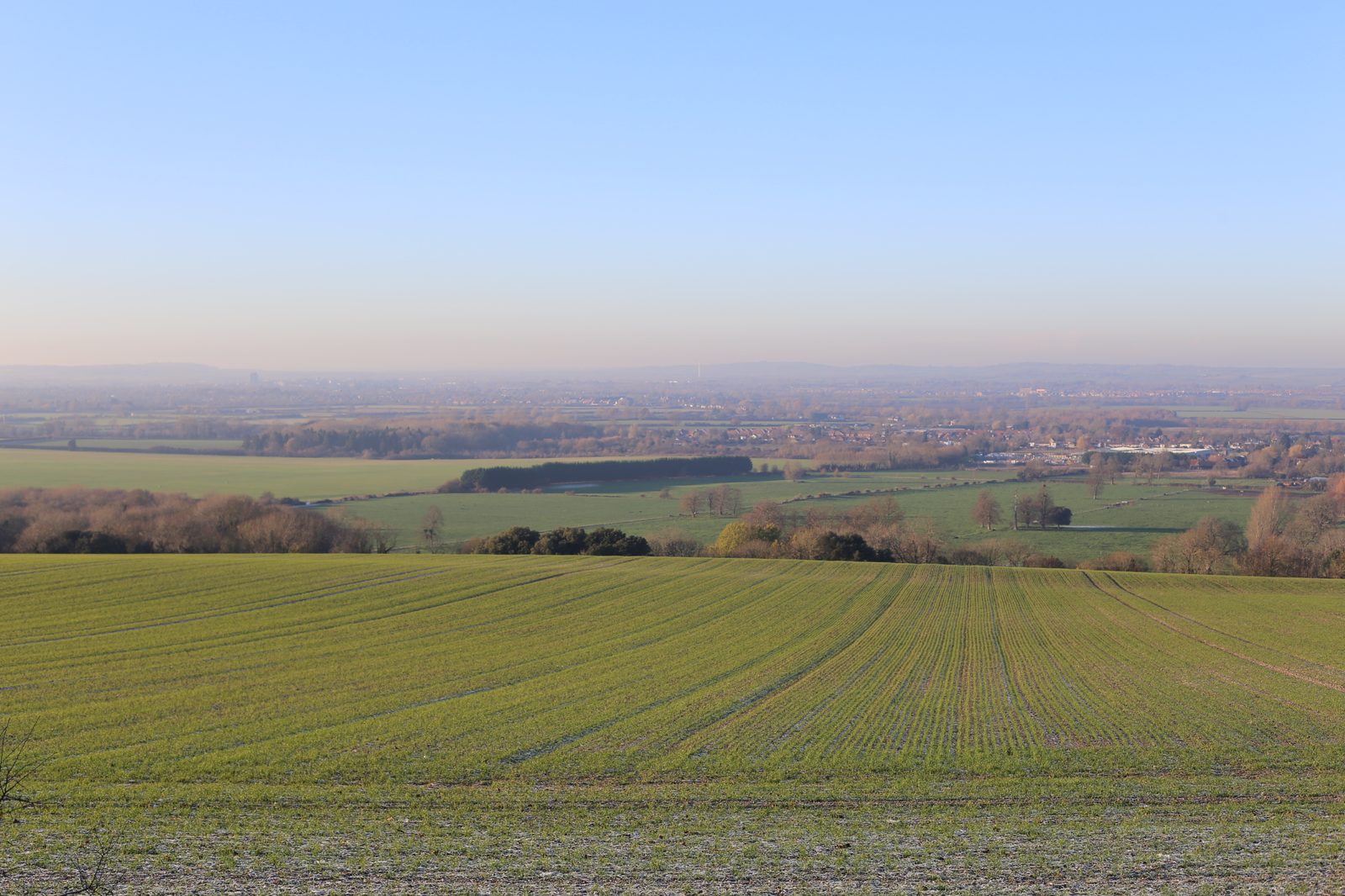
What Is an LVIA? A Plain English Guide to Landscape and Visual Impact Assessments
A clear introduction to what a Landscape and Visual Impact Assessment actually does — and why it matters for planning applications in sensitive landscapes.
Read article →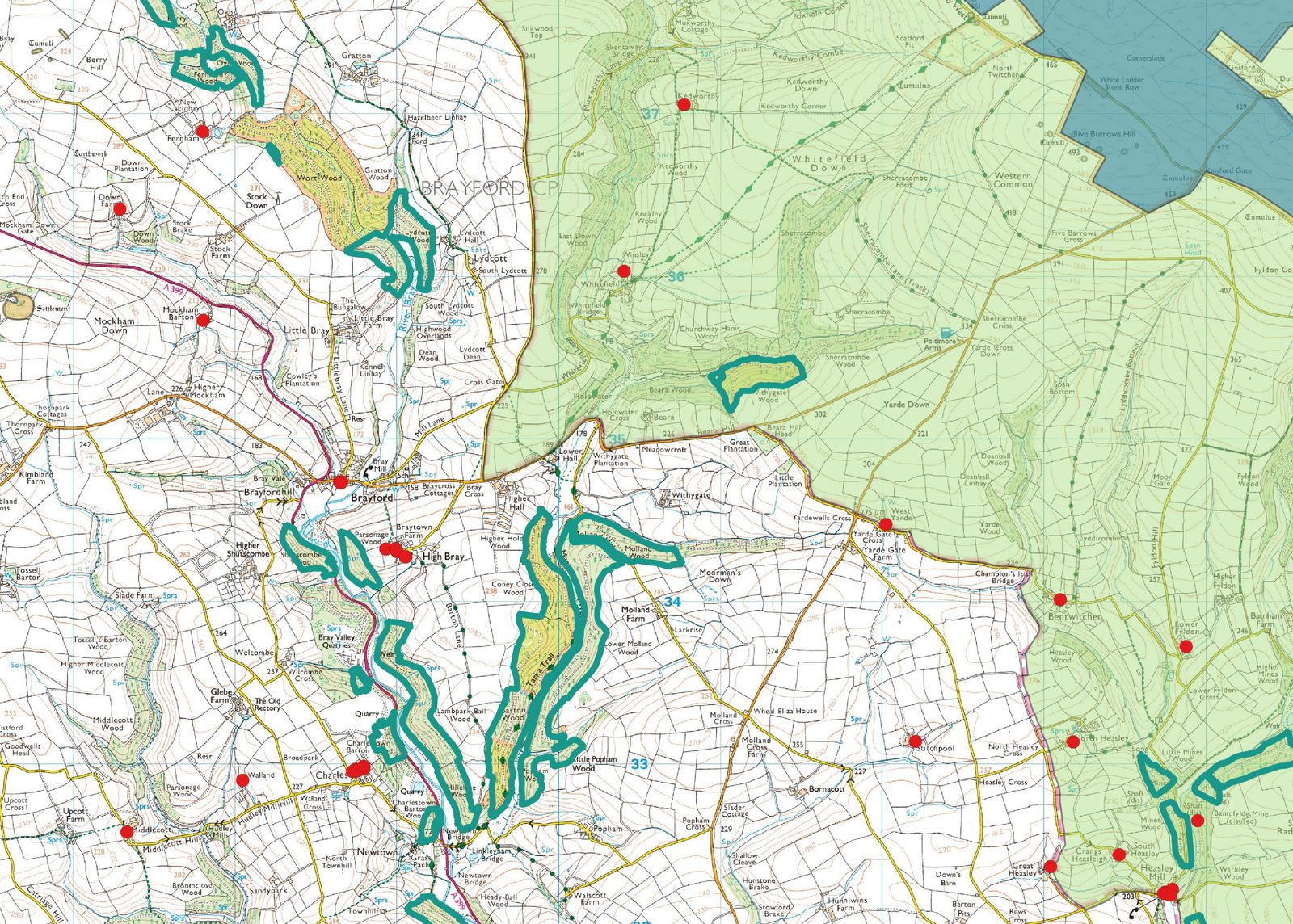
LVA vs LVIA: What's the Difference and When Is Each Used?
Both an LVA and an LVIA evaluate landscape and visual effects — but they are not interchangeable. When each is appropriate and what the Landscape Institute says.
Read article →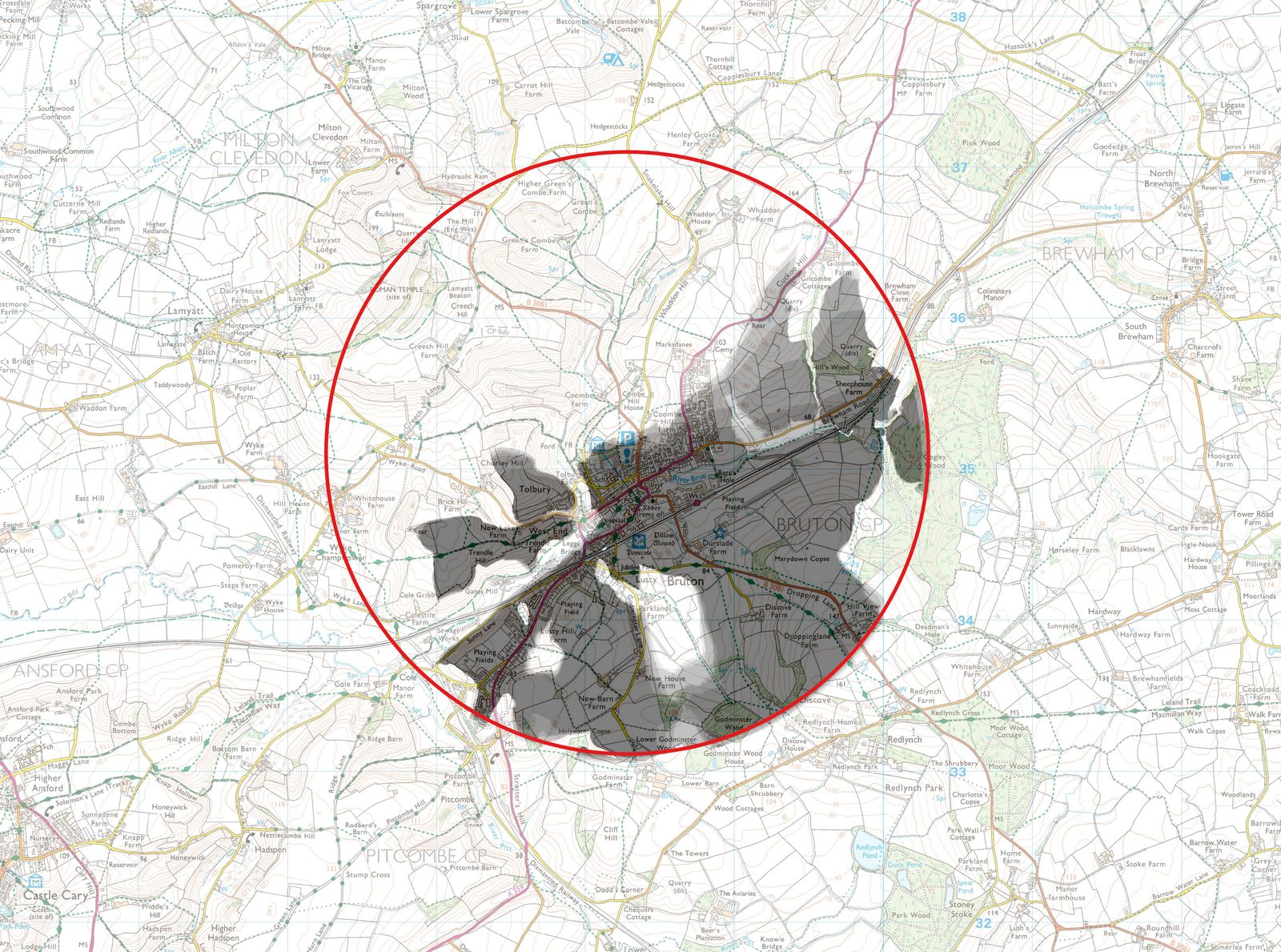
Understanding Zones of Theoretical Visibility (ZTV): What They Are and Why They Matter
A ZTV map is one of the most important tools in any LVIA. What it is, how it is produced, and why it shapes the entire visual baseline.
Read article →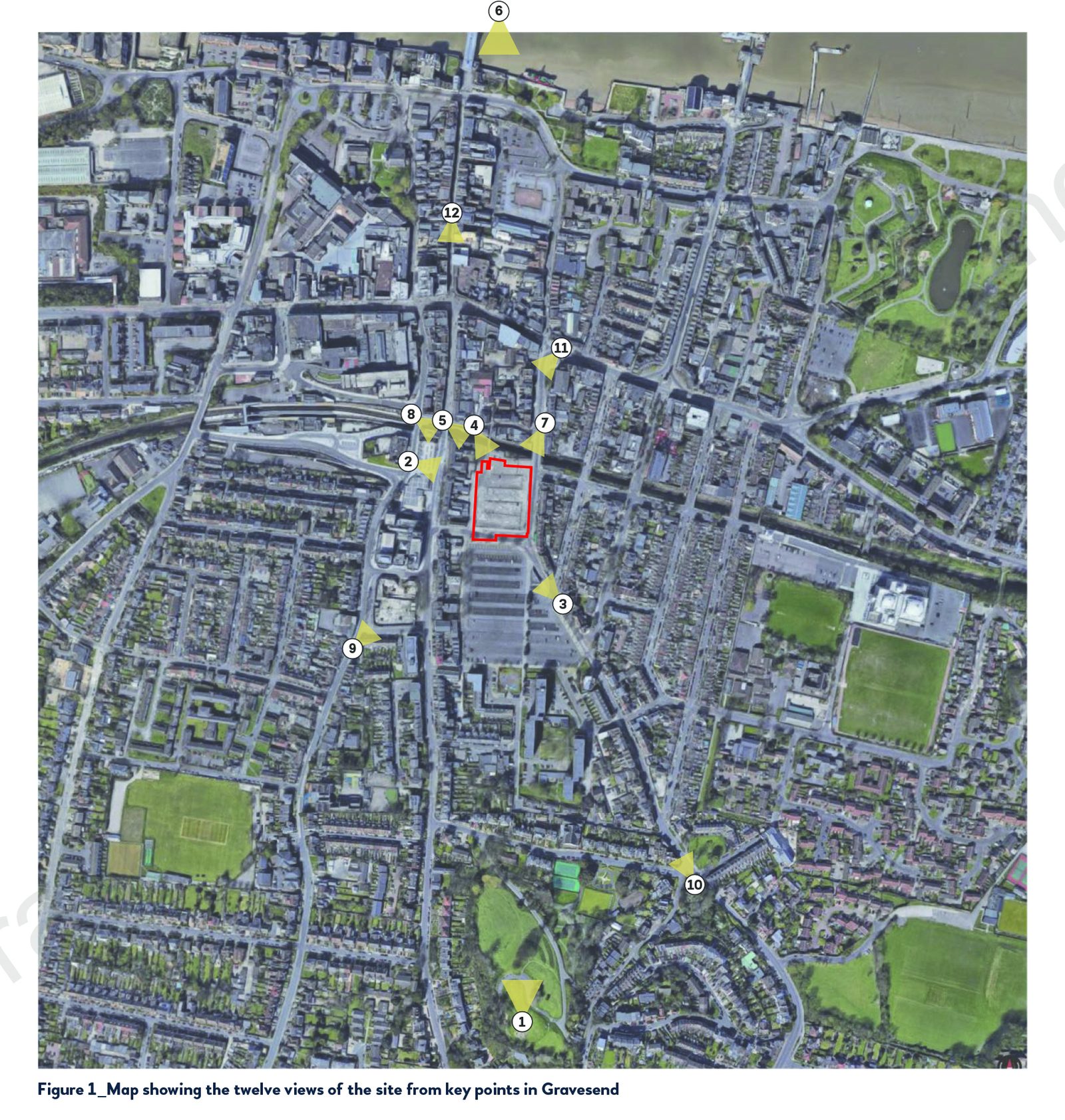
What is a Townscape and Visual Impact Assessment?
A TVIA applies the GLVIA3 methodology to urban contexts — where heritage, public realm and street-scene character take precedence over rural landscape.
Read article →
Landscape Institute Guidelines: What Do GLVIA3 and LITGN-2024-01 Mean for Your Project?
The two documents that underpin every robust LVIA in the UK — GLVIA3 and the August 2024 Technical Guidance Note — explained.
Read article →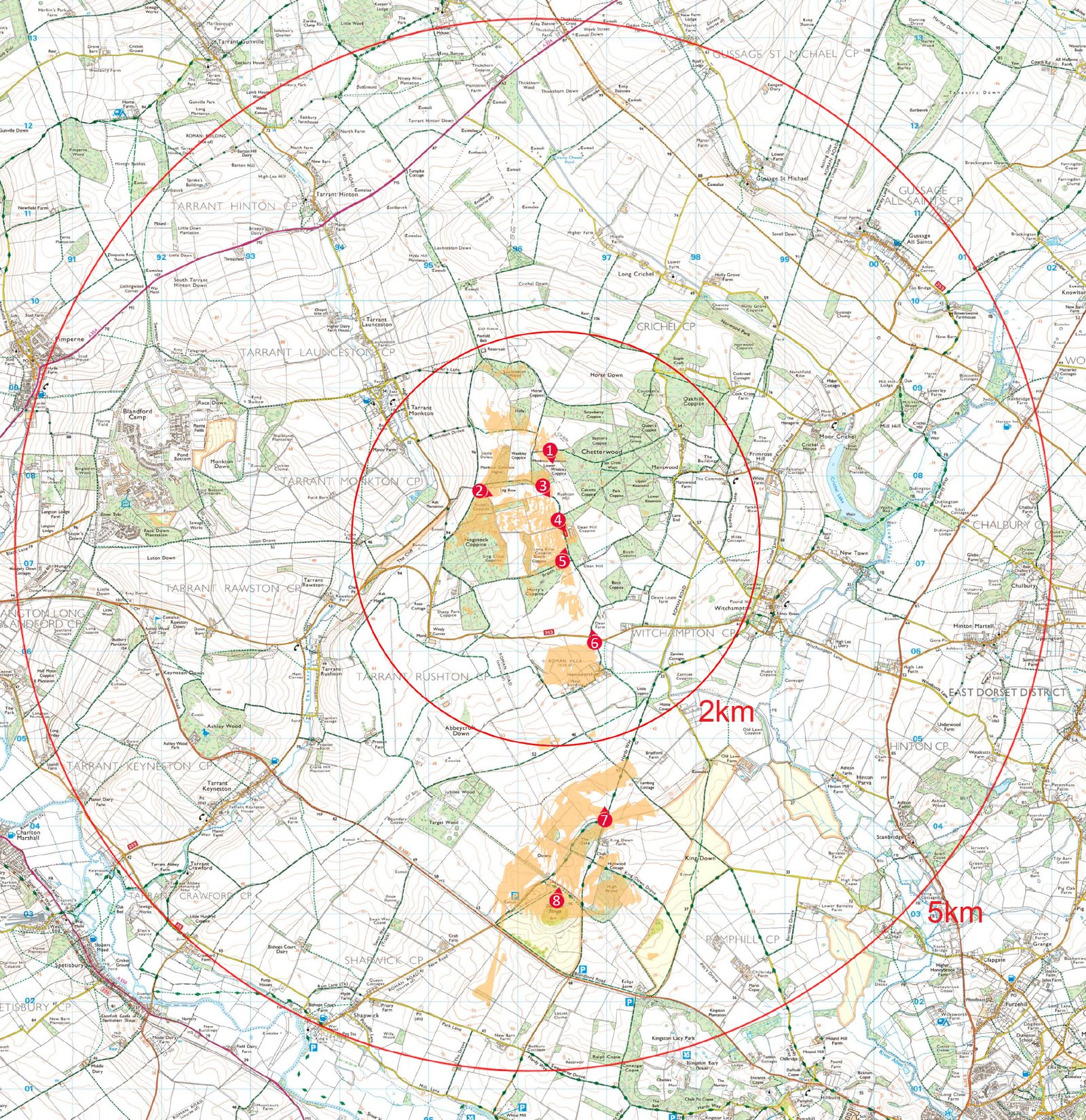
Photomontages, Wirelines and Verified Views: Understanding Visualisations in LVIAs
Not all visualisations are created equal. What TGN 06/19 expects from each type of visual representation — and when to use which.
Read article →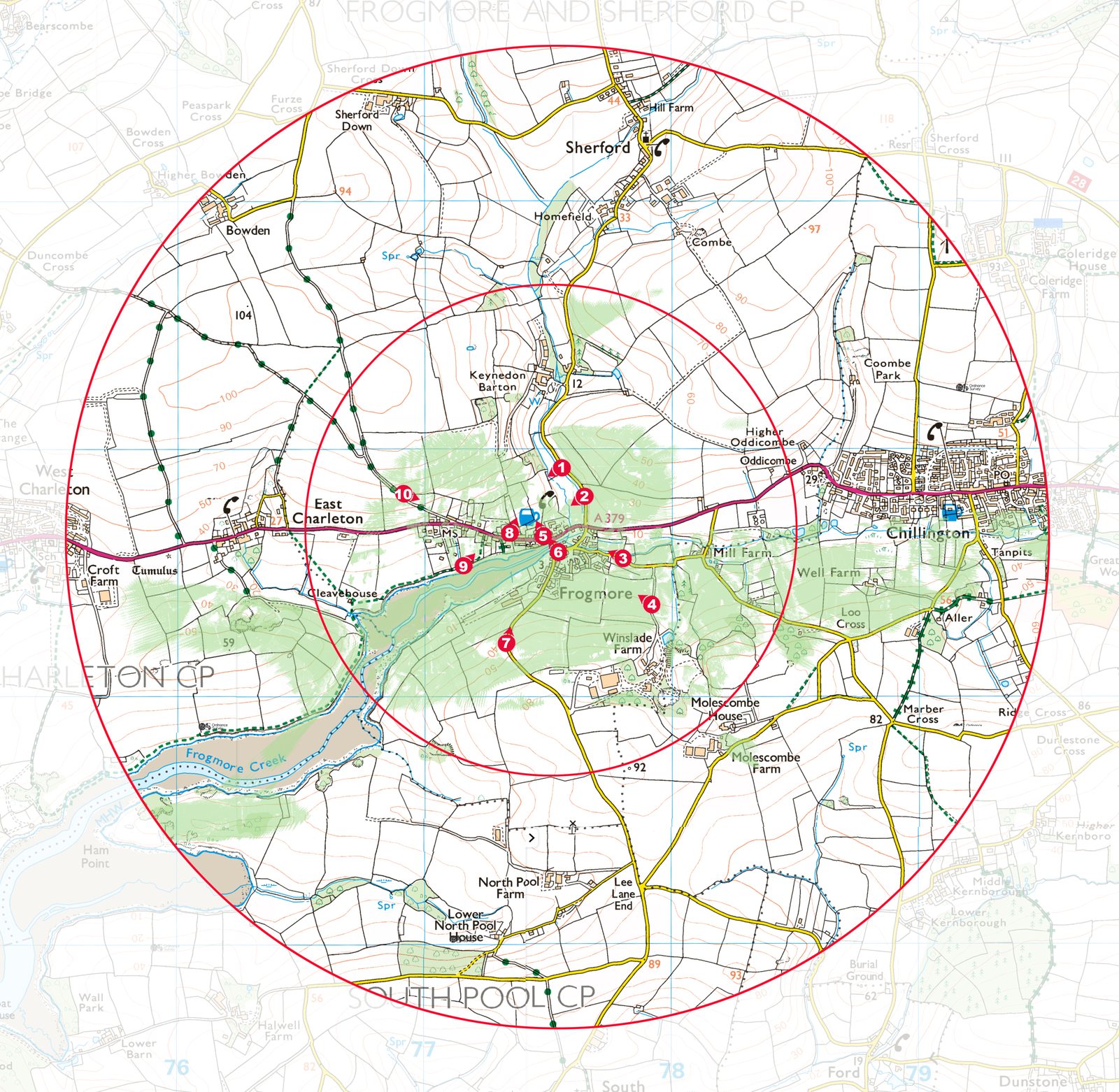
How Viewpoints Are Selected in a Landscape and Visual Impact Assessment
Viewpoint selection is not a procedural formality — it is one of the most important parts of the assessment process. How it is done.
Read article →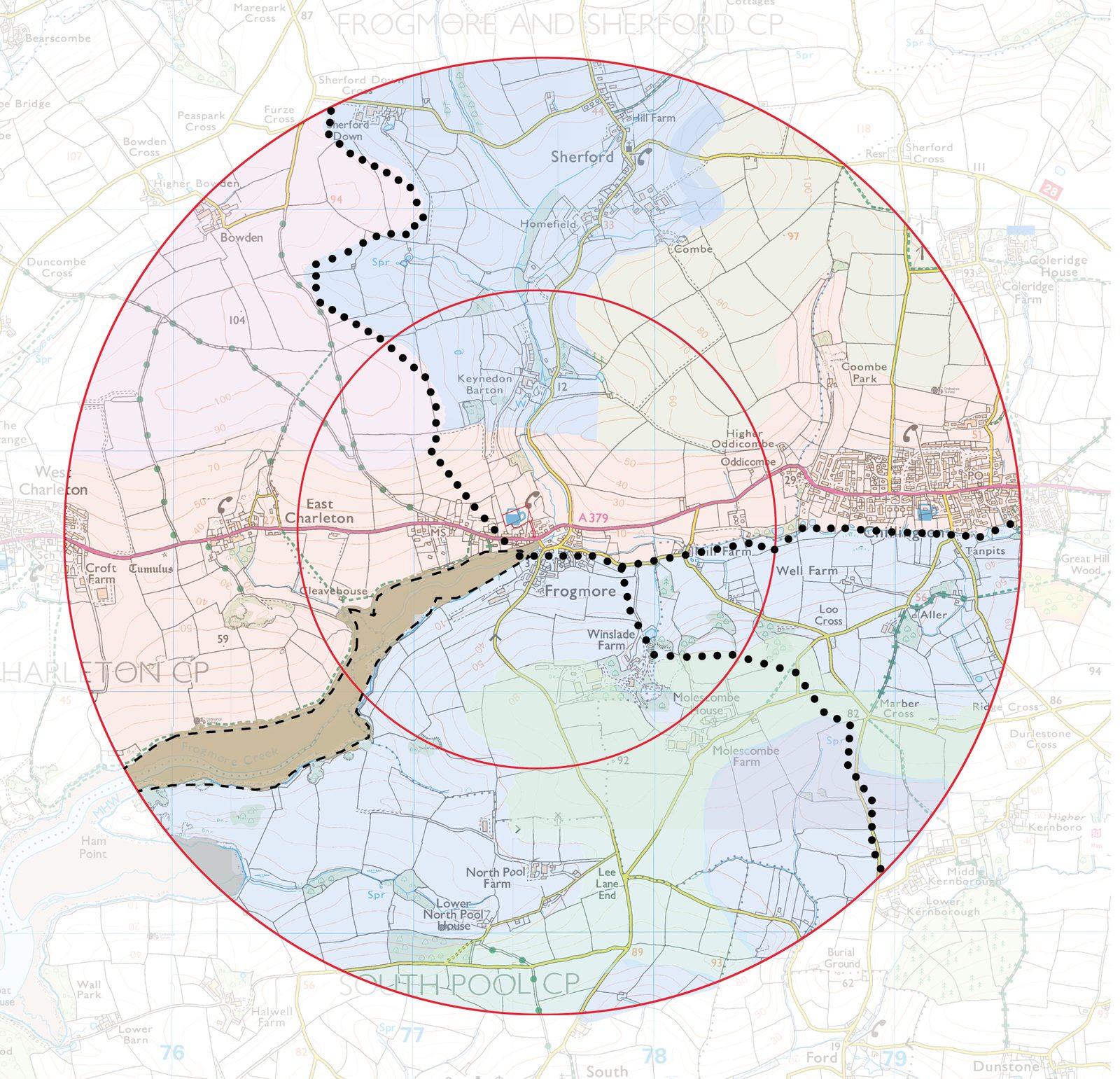
Assessing Landscape Sensitivity: What It Means and Why It's Crucial for Planning
Landscape sensitivity is a judgement — not a number. What it actually means, how it is assessed, and how it differs from landscape capacity.
Read article →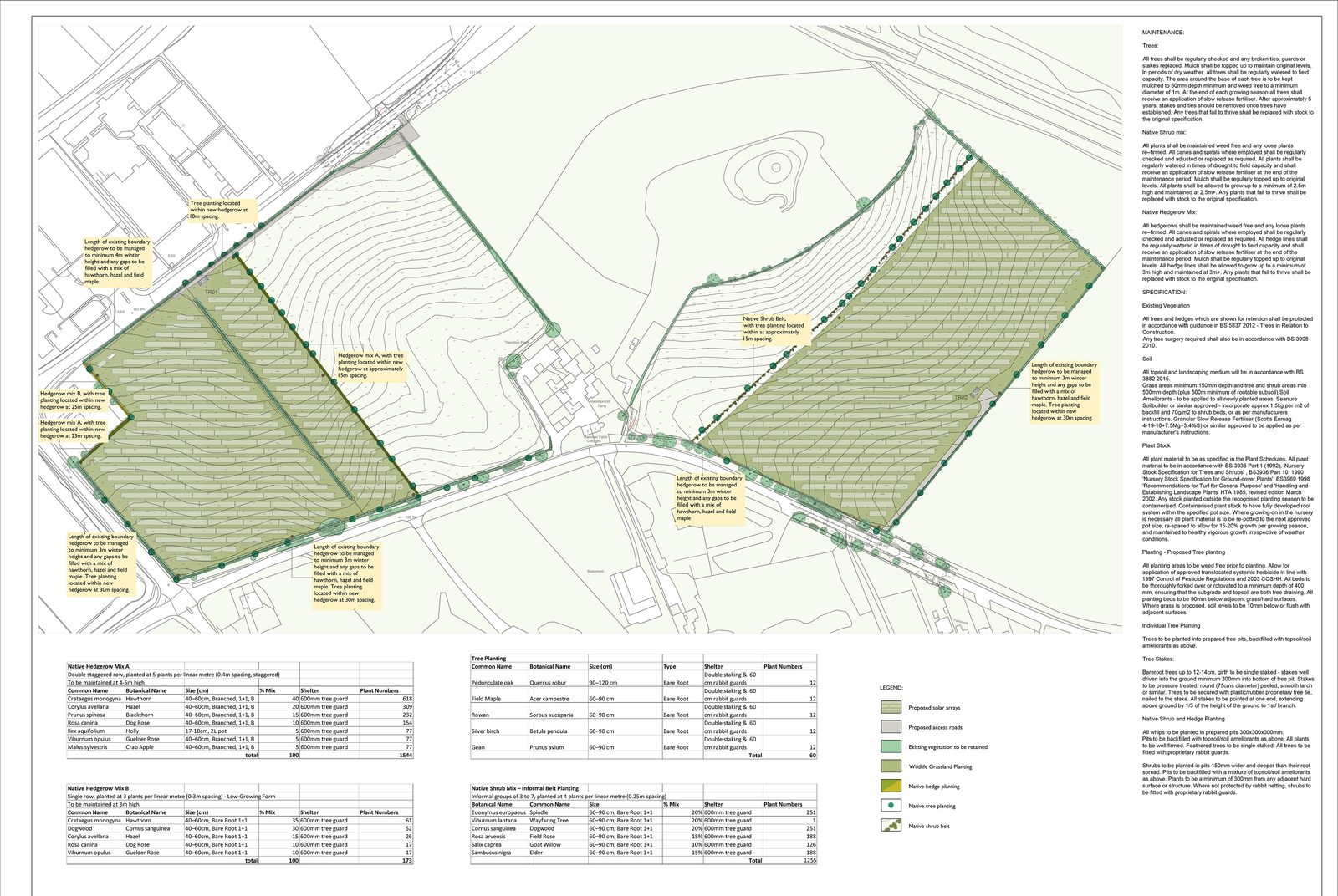
How LVIAs can Support Biodiversity Net Gain
Biodiversity Net Gain is mandatory under the Environment Act 2021. LVIA work has a key role in shaping planting that delivers both visual and ecological value.
Read article →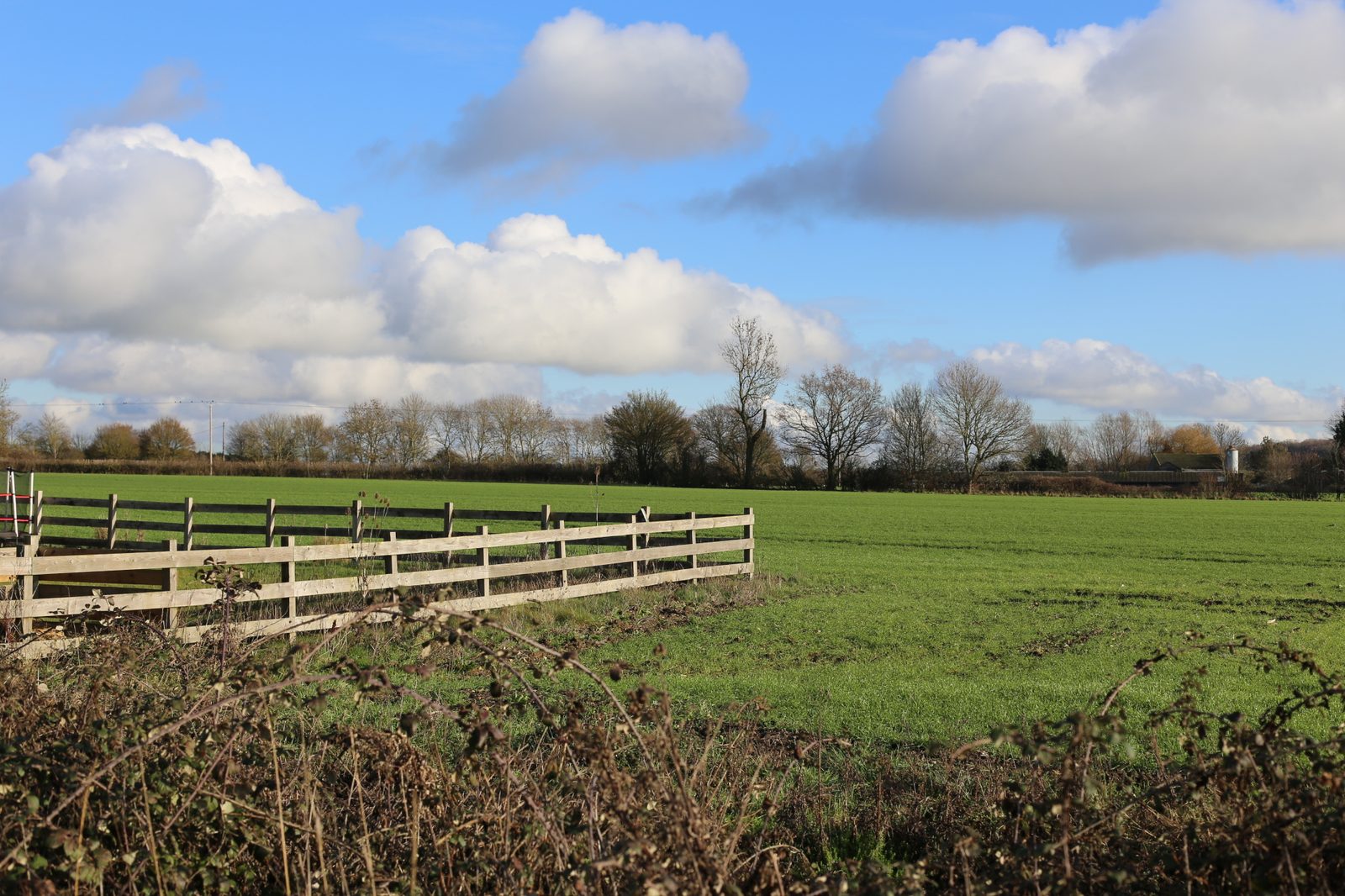
Green Belt and Landscape Impact: Can an LVIA Help Support Development?
How LVIA evidence is weighed in Green Belt appeals — with reference to a recent Hertfordshire case where openness proved decisive.
Read article →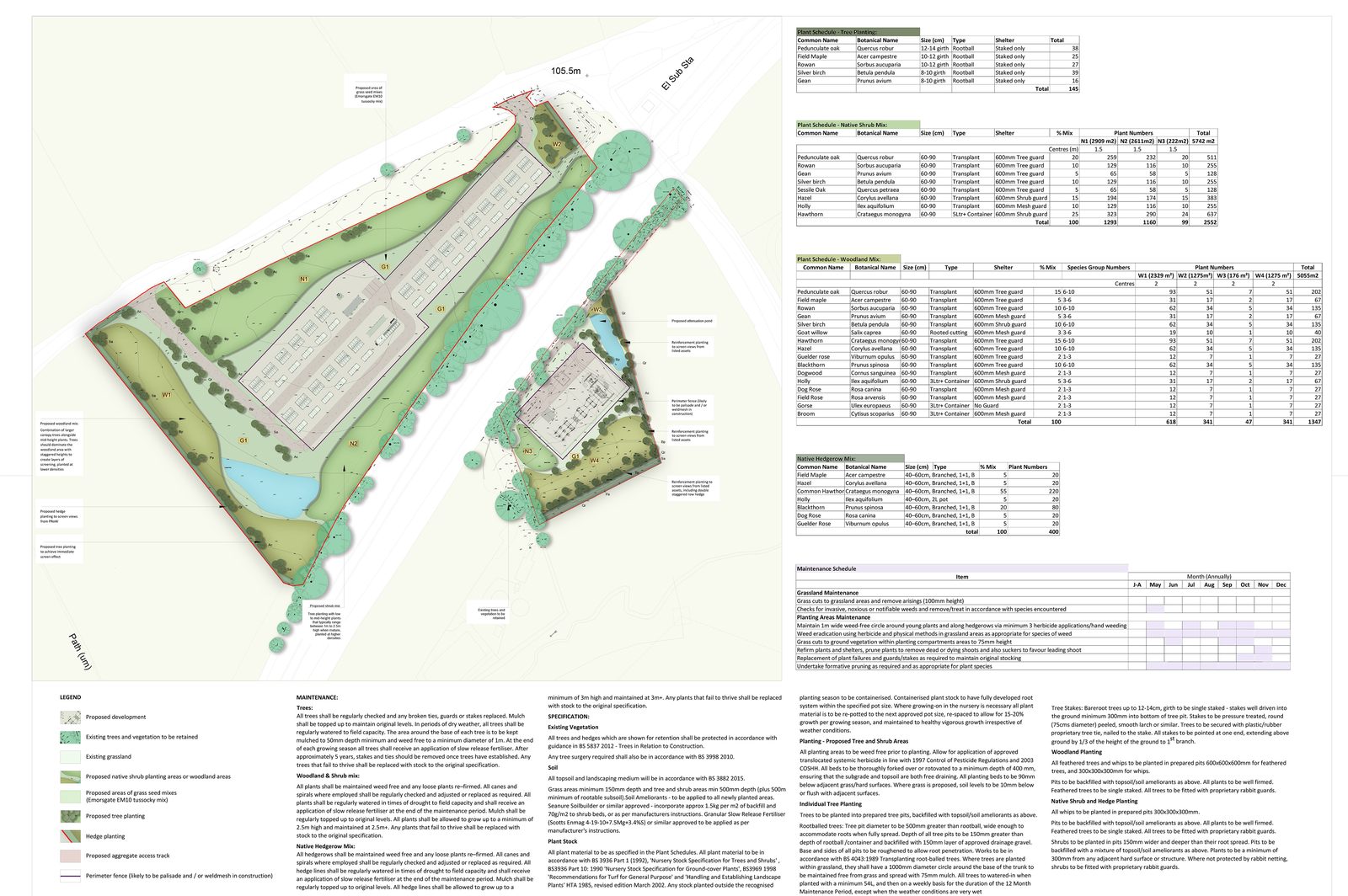
Mitigation Planting in LVIA: Designing for Long-Term Landscape Integration
Effective mitigation planting is not about concealment alone — it is about long-term integration, character enhancement, and visual harmony.
Read article →